FROM PAPYRUS TO PIXELS:
THE TIMELINE OF LIGHT

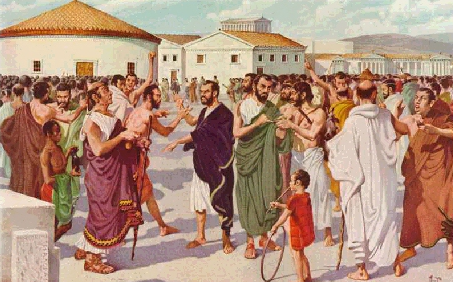
300BCE:
FOUNDED BY PTOLEMY l
The library was established in the early 3rd century BCE,
during the Ptolemaic Dynasty of Egypt.
While its exact founding date is debated, it is largely credited to Ptolemy
I Soter,
who sought to create a center for Greek culture and learning in his new capital.
The Goal: The Ptolemaic kings aimed to collect "all the books in the world.
The Mousaeon: The library was part of a larger institution called the Mousaeon (Shrine of the Muses),
from which we get the modern word "museum."
It included laboratories, observatories, and botanical gardens.
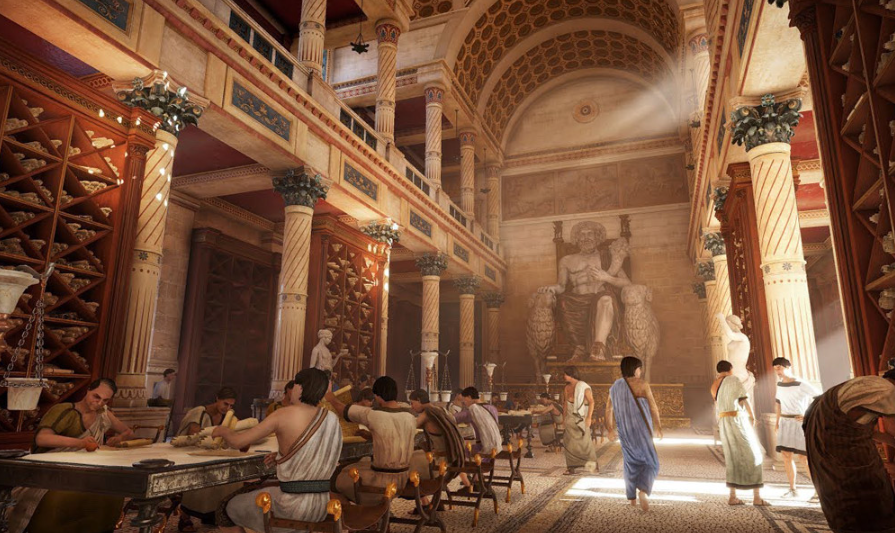
STEP INSIDE THE LOST MARVEL
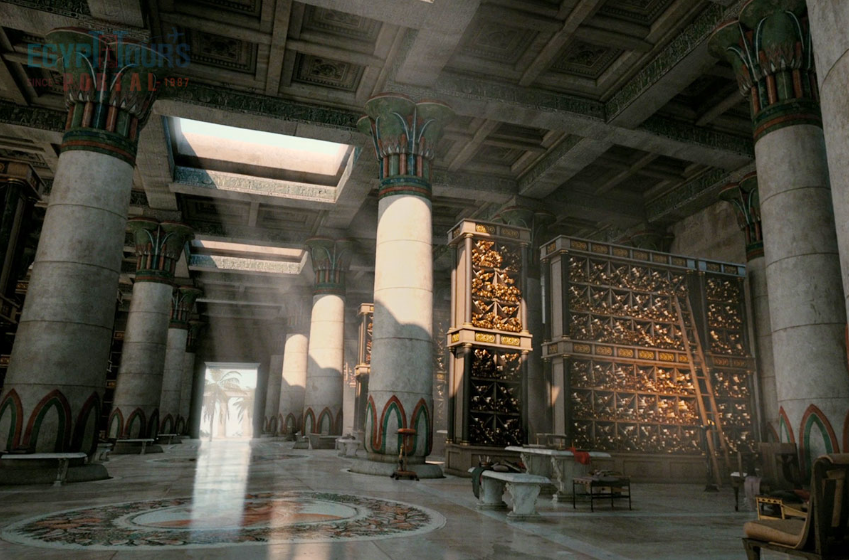
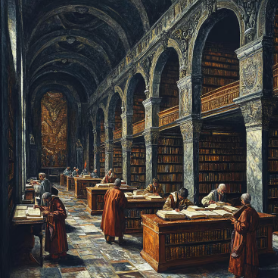
A QUICK TOUR:
Walkways:The buildings were connected by long, shaded marble colonnades.
Scholars were expected to walk and talk, believing that physical movement
stimulated the brain.
The Exedra: Large, semi-circular outdoor seating
areas with stone benches
lectures and
heated debates took place.
Private Study Cells: Small, quiet rooms where
scholars could retreat to read or write in solitude.
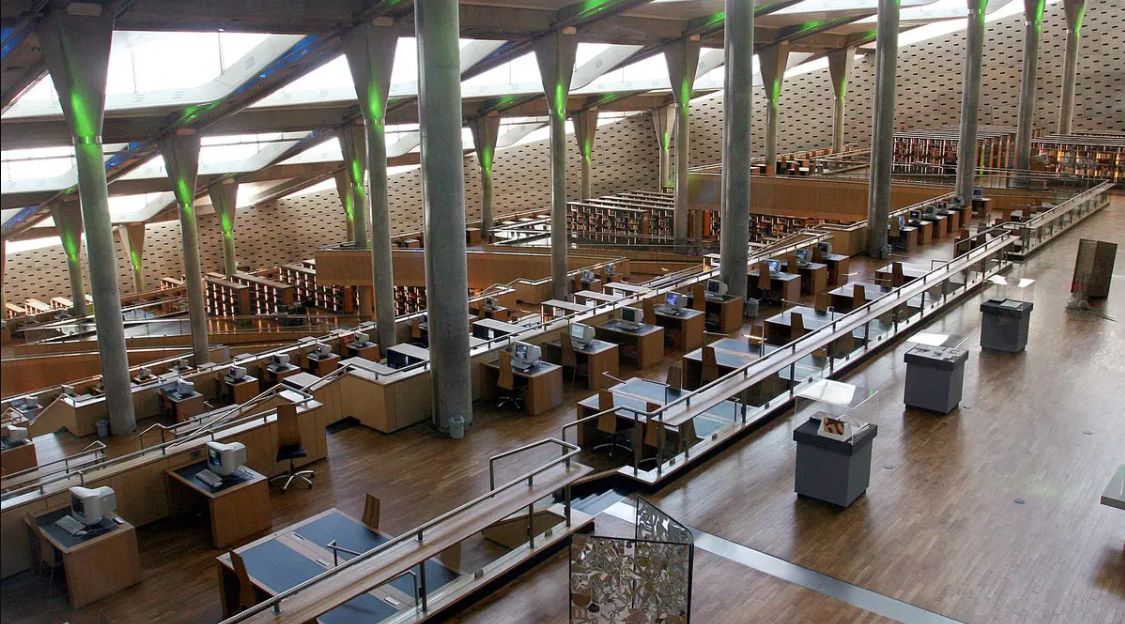
MODERN REVIVAL
A SMALL BRIEF

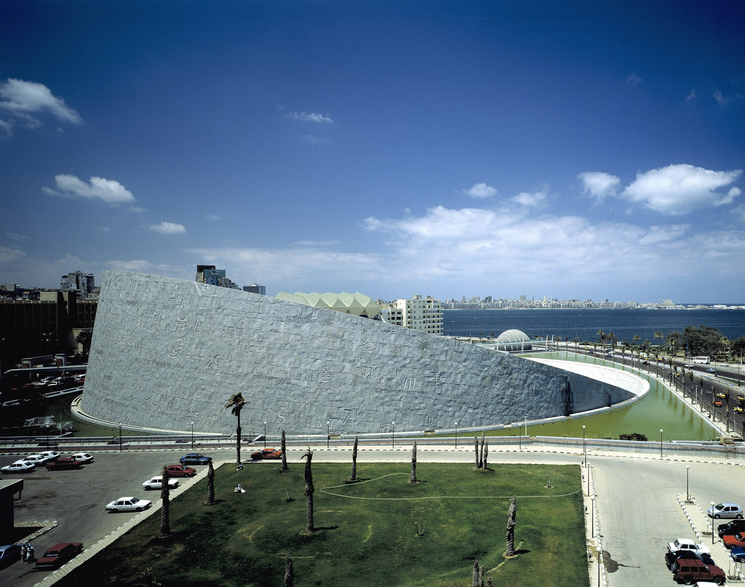
The modern revival of the Bibliotheca culminated in
the official inauguration
of the
Bibliotheca Alexandrina on October 16, 2002.
Following a 1990 international agreement and
years of construction,
this monumental project
resurrected the spirit of the ancient Great Library as a
sun-shaped architectural hub in Egypt.
By bridging antiquity and the future through both
physical archives
and vast digital repositories,
it ensures that universal knowledge is preserved in
a way that—unlike
its predecessor—
can never be lost again
FEATURED EVENTS
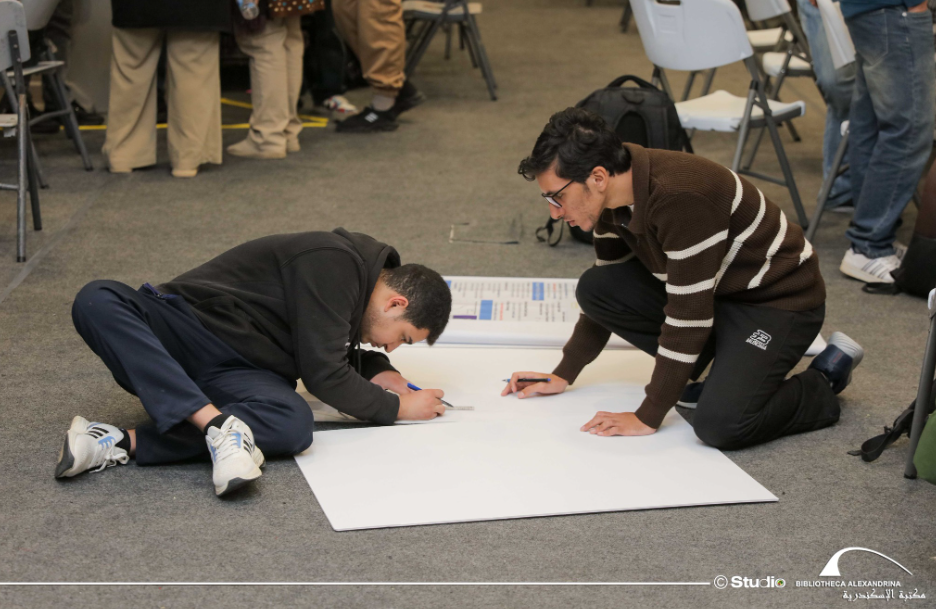
BASEF
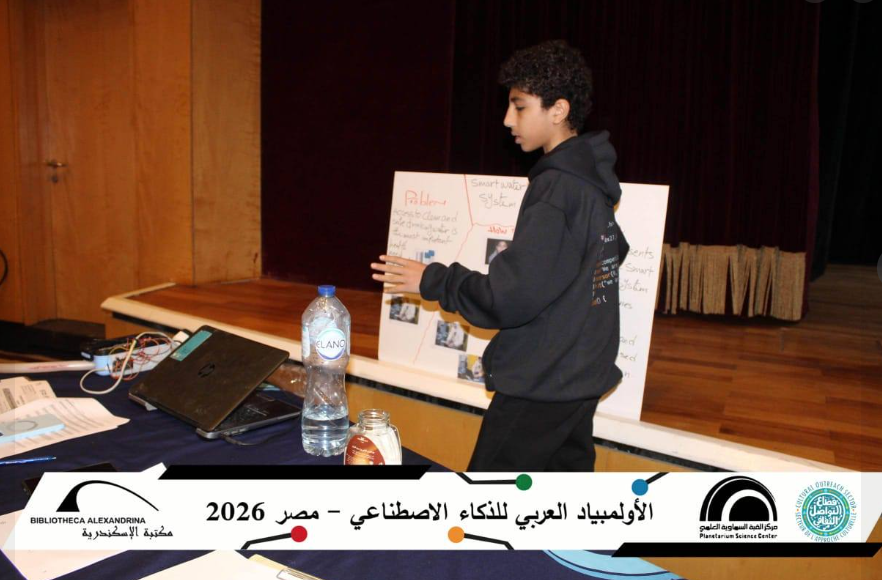
Arab Artificial Intelligence
Olympiad
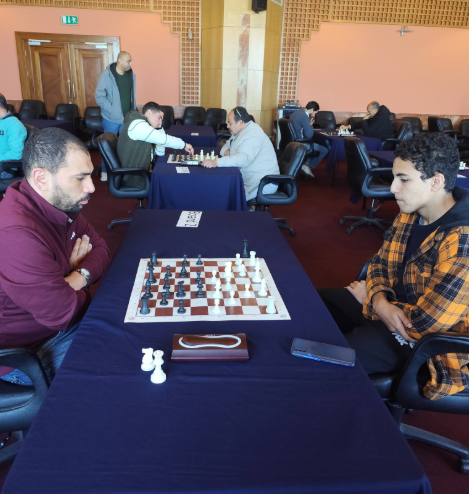
CHESS COMPETITION

FIRST LEGO LEAGUE
OPENING HOURS-WELCOME!
| UNIT | DAYS | HOURS |
|---|---|---|
| MAIN LIBRARY | SAT&SUN | 10:00am-2:00pm |
| MON-THU | 10:00am-6:00pm | |
| CHILDREN LIBRARY AND YOUNG PEOPLE'S LIBRARY |
SAT-SUN | 10:00am-2:00pm |
| MON-THU | 9:30am-11:30am 12:00pm-1:30pm 2:00 pm-4:00pm |
|
| TAHA HUSSEIN LIBRARY | SUN | 10:00am-2:00pm |
| MON-THU | 9:30am-4:00pm | |
| SPECIAL NEEDS PROGRAM UNIT | SUN | 10:00am-2:00pm |
| MON-THU | 9:30am-4:00pm |